Recomienda este artículo a tus amigos:
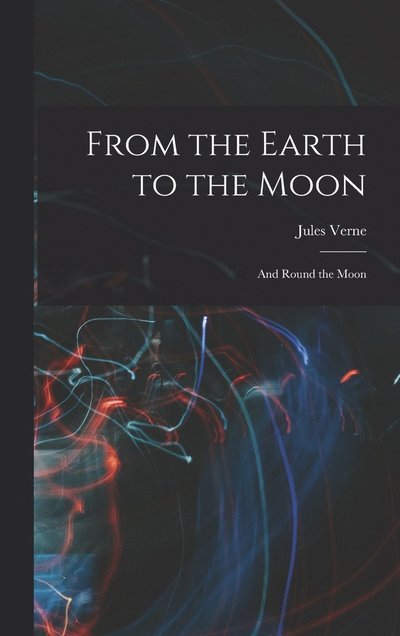
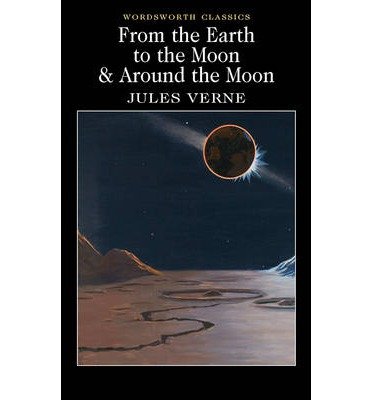
From the Earth to the Moon Jules Verne
Pedido desde almacén remoto
Nuestros clientes opinan:


También disponible como:
- Paperback Book (2017) Mex$ 271
- Paperback Book (2017) Mex$ 271
- Paperback Book (2017) Mex$ 273
- Paperback Book (2017) Mex$ 273
- Paperback Book (2020) Mex$ 278
- Paperback Book (2015) Mex$ 303
- Paperback Book (2017) Mex$ 303
- Paperback Book (2015) Mex$ 303
- Paperback Book (2005) Mex$ 312
- Paperback Book (2011) Mex$ 348
- Paperback Book (2014) Mex$ 348
- Paperback Book (2020) Mex$ 348
- Paperback Book (2023) Mex$ 354
- Paperback Book (2018) Mex$ 360
- Paperback Book (1987) Mex$ 360
- Paperback Book (2019) Mex$ 360
- Paperback Book (2013) Mex$ 386
- Paperback Book (2015) Mex$ 392
- Paperback Book (2016) Mex$ 437
- Paperback Book (2012) Mex$ 466
- Hardcover Book (2005) Mex$ 470
- Hardcover Book (2006) Mex$ 528
- Paperback Book (2016) Mex$ 629
- Book (2022) Mex$ 733
From the Earth to the Moon
Jules Verne
Verne's 1865 tale of a trip to the moon is (as you'd expect from Verne) great fun, even if bits of it now seem, in retrospect, a little strange. Our rocket ship gets shot out of a cannon? To the moon? Goodness!
But in other ways it's full of eerie bits of business that turned out to be very near reality: he had the cost, when you adjust for inflation, almost exactly right. There are other similarities, too. Verne's cannon was named the Columbiad; the Apollo 11 command module was named Columbia. Apollo 11 had a three-person crew, just as Verne's did; and both blasted off from the American state of Florida. Even the return to earth happened in more-or-less the same place.
Coincidence -- or fact!? We say you'll have to read this story yourself to judge.
![Cover for Jules Verne · Tidsløse klassikere: Rejsen til jordens indre (Paperback Book) [1.º edición] (2026)](https://imusic.b-cdn.net/images/item/original/917/9788799664917.jpg?jules-verne-2026-tidsloese-klassikere-rejsen-til-jordens-indre-paperback-book&class=scaled&v=1788426574)

![Cover for Jules Verne · Around the World in Eighty Days (Junior Edition) (Esprios Classics) (Paperback Book) [Junior edition] (2026)](https://imusic.b-cdn.net/images/item/original/002/9781714564002.jpg?jules-verne-2026-around-the-world-in-eighty-days-junior-edition-esprios-classics-paperback-book&class=scaled&v=1639261966)






![Cover for Jules Verne · From the Earth to the Moon and Around the Moon (Royal Collector's Edition) (Case Laminate Hardcover with Jacket) (Hardcover Book) [Royal Collector's edition] (2021)](https://imusic.b-cdn.net/images/item/original/585/9781774762585.jpg?jules-verne-2021-from-the-earth-to-the-moon-and-around-the-moon-royal-collector-s-edition-case-laminate-hardcover-with-jacket-hardcover-book&class=scaled&v=1640080952)
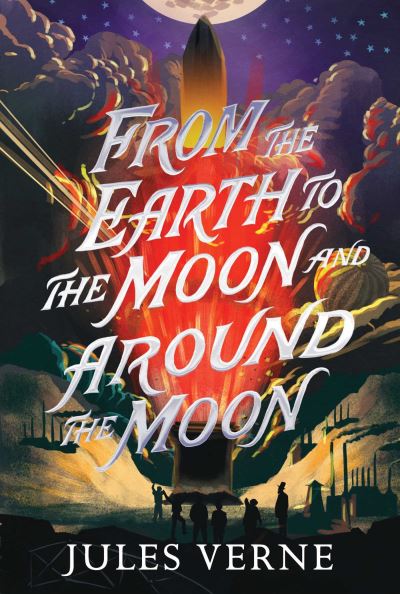


![Cover for Jules Verne · From the Earth to the Moon and Round the Moon (Hardcover Book) [Large Type edition] (2008)](https://imusic.b-cdn.net/images/item/original/911/9781605120911.jpg?jules-verne-2008-from-the-earth-to-the-moon-and-round-the-moon-hardcover-book&class=scaled&v=1648179790)

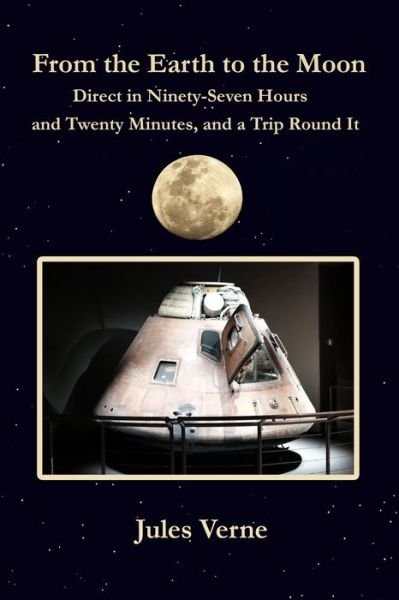





![Cover for Jules Verne · From the Earth to the Moon: (Low Cost (. Limited Edition (Paperback Book) [. Limited edition] (2015)](https://imusic.b-cdn.net/images/item/original/130/9781516852130.jpg?jules-verne-2015-from-the-earth-to-the-moon-low-cost-limited-edition-paperback-book&class=scaled&v=1449167530)

![Cover for Jules Verne · From the Earth to the Moon: Or a cannon for peace - Jules Verne's Adventure Stories (Hardcover Book) [New edition] (2019)](https://imusic.b-cdn.net/images/item/original/156/9781916409156.jpg?jules-verne-2019-from-the-earth-to-the-moon-or-a-cannon-for-peace-jules-verne-s-adventure-stories-hardcover-book&class=scaled&v=1562066155)